

Run yourentire outboundwith Grok Bot.
The 11 Grok Bots I run outbound with, as files you paste in. They answer replies, book the calls, get people to show up and dig deals out of old calls. 8 running today, 3 being built. Start them on drafts, then let them reply and book calls on their own. $47 once, first bot live this afternoon.
For $47, here's what you get.
- The 11-bot stack. Every prompt, what each bot returns, and its rules.
- The operating brief every bot reads first, so they all work from the same facts.
- 2 full agent kits from my own setup: the inbox setter and the deadline hunter.
- 4 agent templates for a second inbox, LinkedIn, ops and reporting.
- The library: reply templates, booking rules, CRM logging, voice rules.
- A 7-step quick start to your first bot, and free updates in the same download.
If any of this sounds like your inbox.
- Someone says interested. You answer four hours later. They're gone.
- A call gets booked three weeks out and never happens.
- An out-of-office names the real buyer, and nobody follows it up.
- You paste threads into ChatGPT between calls and still answer late.
- Last quarter's sales calls sit in a recorder nobody opens again.
You already paid for those replies: domains, inboxes, data, copy, and the weeks it took to launch. The expensive part is done. The cheap part, answering fast and following through, is the part that slips.
I checked it on our own numbers. Across 167 interested replies in our client campaigns, the ones answered within 4 hours booked at about 3 times the rate of the ones answered after a day: 7 of 35, against 3 of 48. The reply isn't the finish line. It's where the clock starts.
11 bots, one for every moment after the send.
Each bot has one job and a prompt you copy. Start them on drafts, then let them run. Reading a good draft takes seconds. Writing it from scratch is where deals die.
Reads the reply, answers what they asked, and offers one specific time in their timezone.
One shared calendar brain, so two bots never offer the same hour to two leads, and nothing gets booked weeks out.
Confirms before the call, tracks held vs booked, and drafts a one-line rebook for no-shows.
Who they are, what they said in the thread, likely objections, three points tied to their words.
Pulls the return date and the named colleague, then drafts the forward or the timed follow-up.
Scores past sales calls against your ICP and drafts follow-ups from what was actually said. I pulled 574 Fathom calls and drafted from the tape.
Reports spend per bot, flags waste, suggests one cut. One fit-scoring run: 25.4M tokens, a $0.96 bill.
Pick the market, build and fit-score the list, draft the campaign and the two-line opener. The first three are being built; until they land, the pack's playbooks do those jobs with Claude Code.
Everything you get for $47.
Every part, what it replaces, and what it's worth.
Why it works when a ChatGPT tab doesn't.
One job per bot.
A bot with one job and a written procedure doesn't drift. The Reply Bot never decides who to email. The Booking Rules Bot never writes copy.
One brief they all read.
Fill in the brackets once and every bot works from the same offer, market and booking rules. Here's the top of it:
Working context for my cold email. Save it where I can reuse it.
Offer: [what we sell, who for, deal size, first-call name].
Markets under test: [verticals]. ICP: [roles, company size, industry, geo].
Pain: [problems]. Objections: [list]. Triggers: [events that make them buy].
Disqualifiers: [who we skip].
Booking: we book from our side and send the invite; never a self-book link;
weekdays only; 8:30am to 5pm ET; never more than 7 business days out;
one specific time in their timezone; log offers so bots don't collide.
Proof I approve: [case studies / numbers]. Voice samples: [emails].
Draft only. Silence means hold. Flag guesses.
It books on its own, when you're ready.
Start it on drafts while it learns your voice. Once it answers the way you would, switch it on: it replies, offers a time and books the call by itself, on the campaigns you pick. That's how mine runs.
Why bots, and not a hire.
Every fix for slow replies comes down to who sits in the inbox. Here are the options, honestly:
And you don't need to code. You copy a block, paste it into Grok Bot or Claude Code, and type what the file tells you to.
What's inside the engine.
- The 11-bot stack and the operating brief. Every bot above with its prompt, what it returns and its rules, plus the brief that feeds them all.
- 2 agent kits and 4 templates. My inbox setter and deadline hunter, built from my documented setup: job description, skill, routines, connectors, day-one prompts. The 4 templates are fill-in versions for a second inbox, LinkedIn, ops and reporting.
- The library. Reply templates, the time-slot rules that stop double bookings, CRM logging, and the voice rules learned from my own edits.
- The quick start and the AI pack. Your first inbox agent live in 7 steps, plus an advisor prompt that turns Grok Bot, ChatGPT or Claude into a cold email advisor that answers from our whole system.
Also in the download as a bonus: the Seqnced playbooks for the rest of outbound (offer, lists, launch, LinkedIn).
What it looks like when it runs.
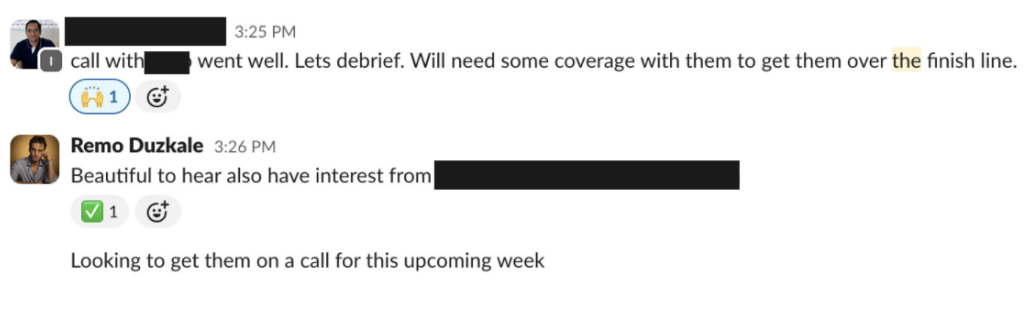
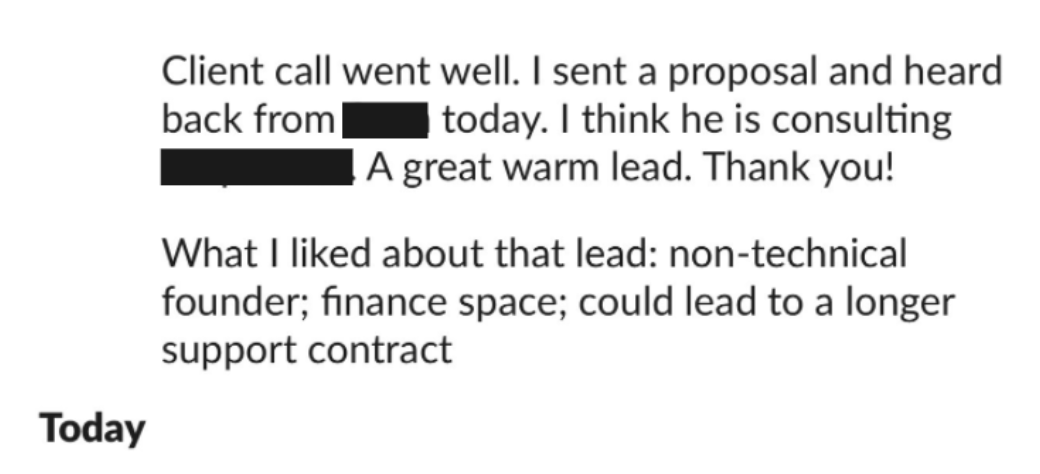
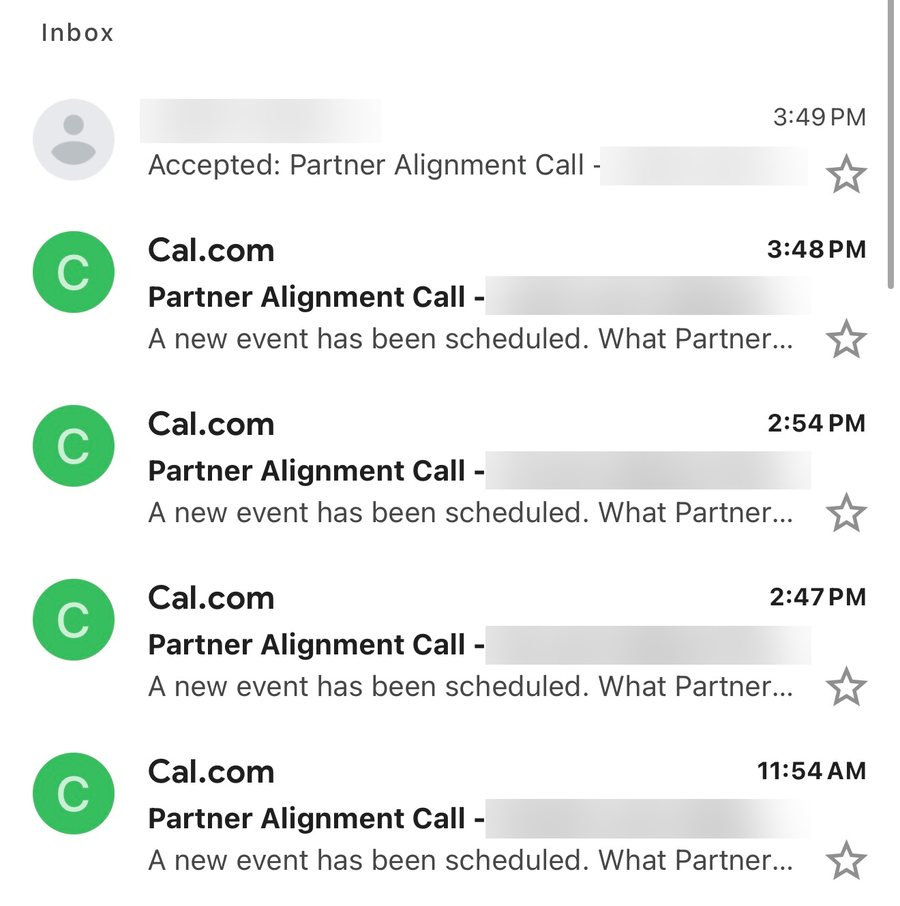
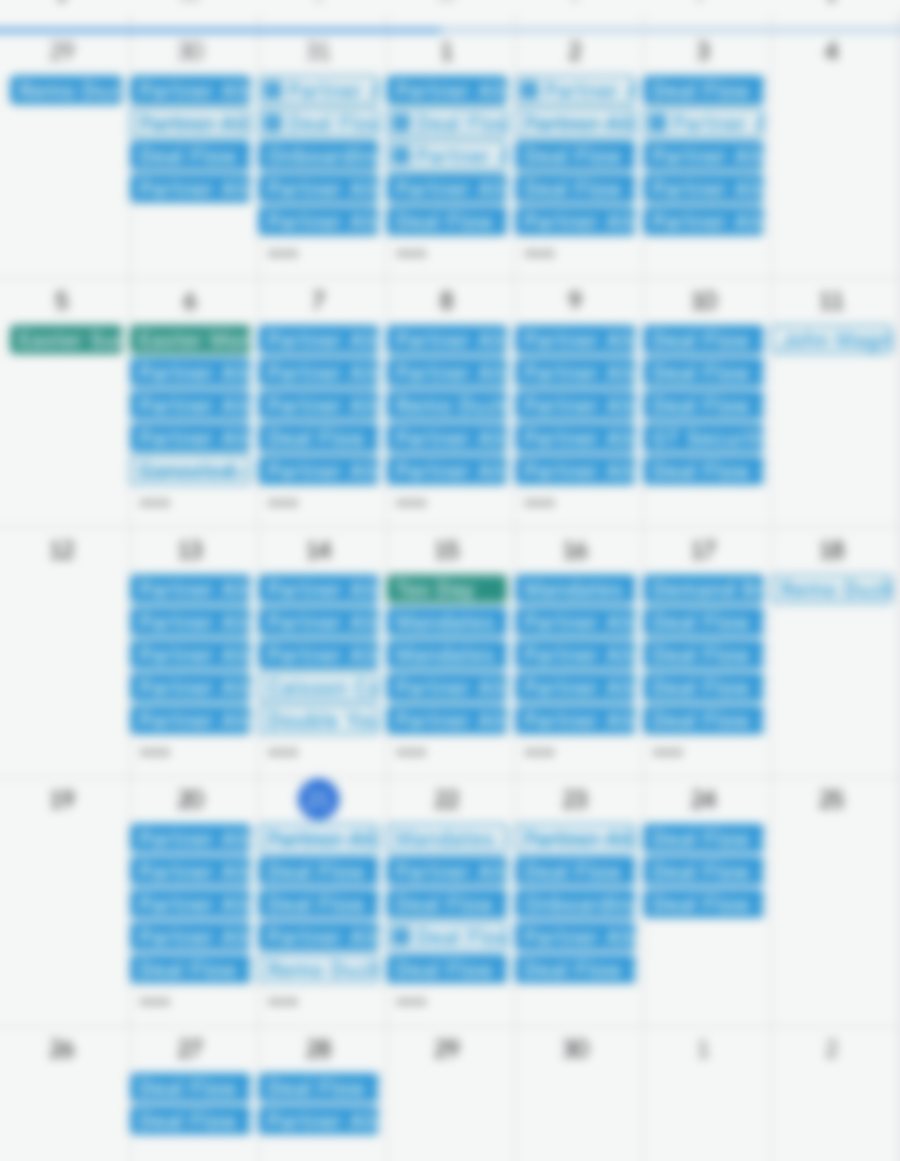
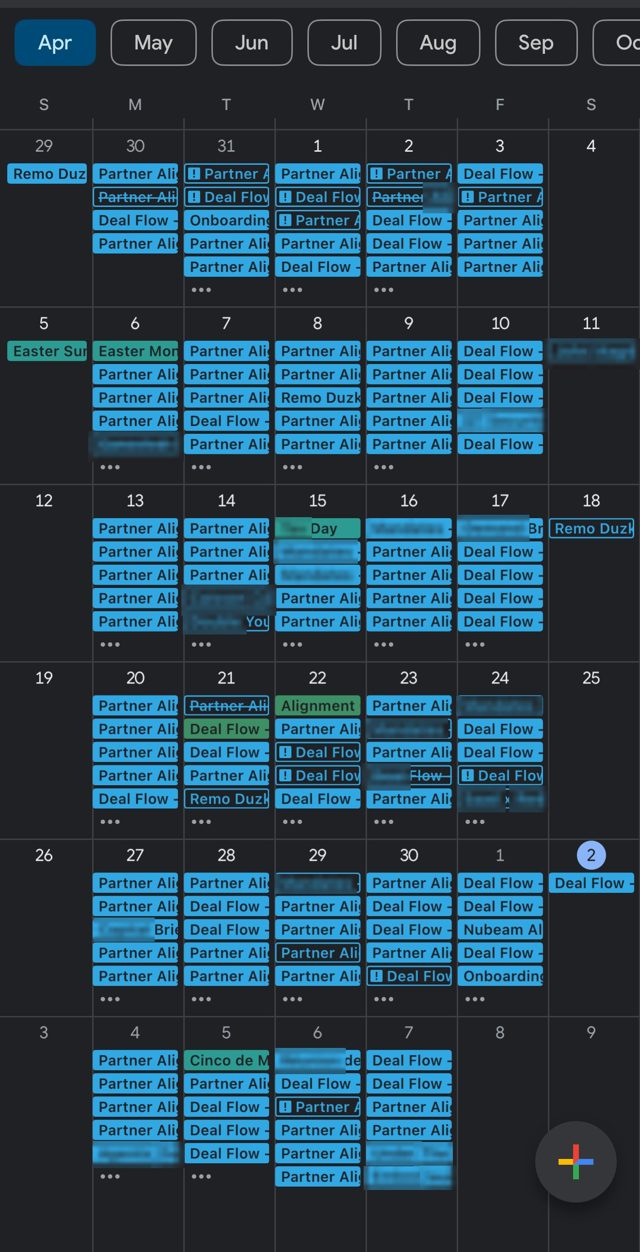
I'm Remo, and outbound is all I do. My agency sends 1.5M+ cold emails a month for clients and has booked 3,000+ calls. My own calendar has taken 350+ booked calls since June, and 8 of the 11 bots in this pack run in that inbox today. This shows what the system has done; it doesn't promise any result for you.
Straight from the Slack
From the calendar

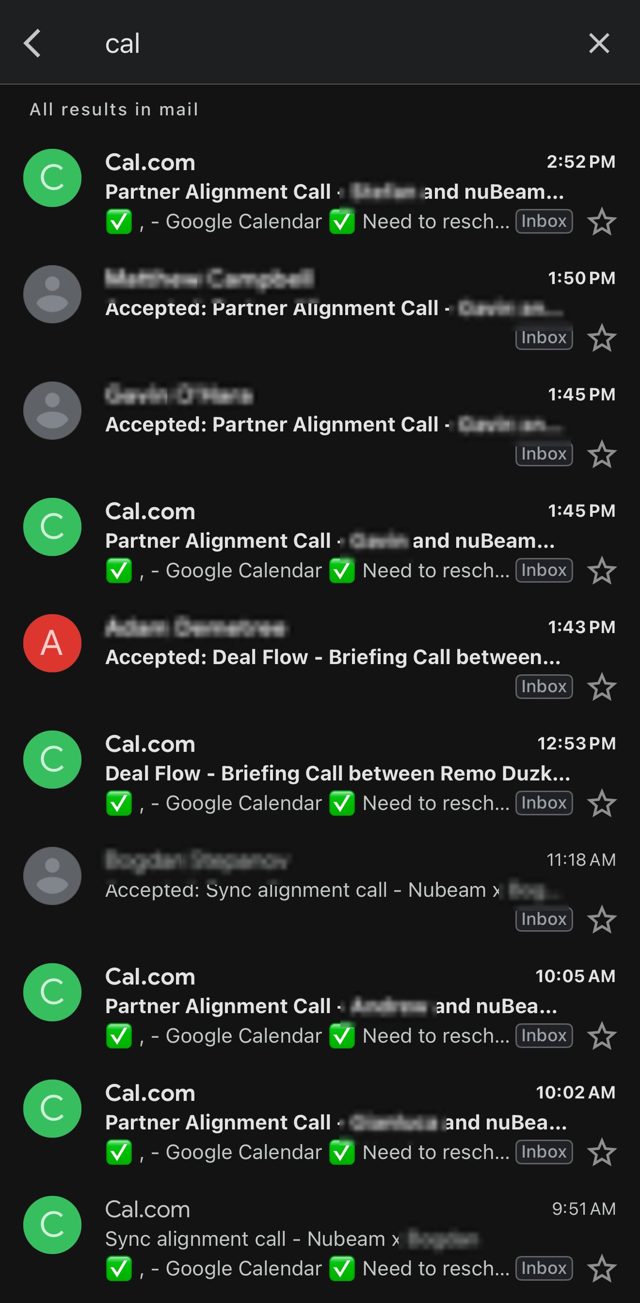
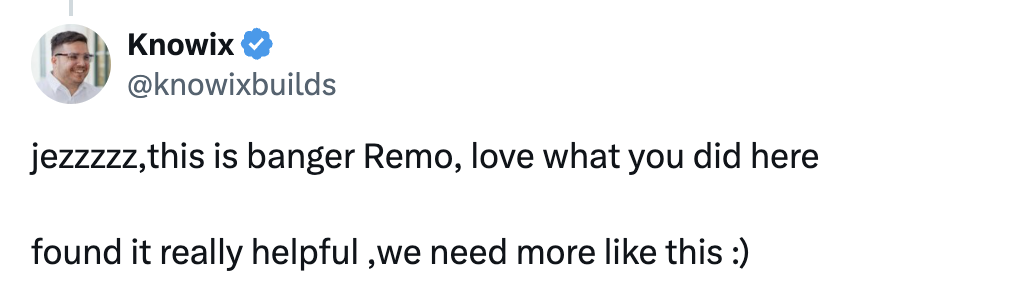
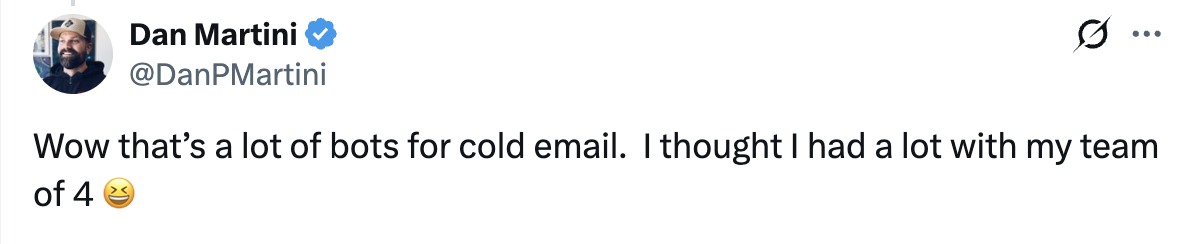
What people said about the stack

Three reasons not to buy this.
You haven't sent a campaign yet.
These bots work on replies. If nobody is replying yet, start with the free playbooks.
You want it done for you.
This is a setup you run. If you'd rather a team ran it, that's what our team does.
You want guaranteed meetings.
Nobody honest can promise that. The engine makes sure the replies you get are answered fast and followed through.
Questions you might still have.
What's the catch at $47?
None hidden. It's files, not a course or a call. 8 of the 11 bots run in my inbox today and 3 are being built; every prompt is in the pack. 2 of the 6 agent kits are built from my documented setup, the other 4 are fill-in templates. The upsell, if you ever want it, is our team running it for you.
Will it run all of my outbound on its own?
No, and it shouldn't. The bots do the work around the send: picking markets, lists, copy, replies, booking, show-ups, follow-ups. You set the brief and the rules and pick which bots run on their own. That's what keeps the quality up.
Do I need to code?
No. You copy a block, paste it into the agent or into Claude Code, and type what the file tells you to.
What tools do I need?
A Grok Bot account, your cold email sequencer, a booking tool and a calendar. A CRM is optional. The pack shows the tools I use and works with your own.
Will the agent send emails on its own?
Yes, once you switch it on. It starts on drafts so you can check it sounds like you. Then it answers and books calls by itself, on the campaigns you pick. Mine autobooks.
How fast do I get it?
Straight away. Checkout is on Whop and the download page opens after payment. It stays in your Whop account.
What happens after you buy.
- The download opens on the next screen. Check out on Whop and everything is there straight away. It stays in your Whop account, so updates land in the same place. No call, no onboarding, no waiting for an email.
- Open the start-here file. It sets the build order: what to set up first, second and third. You never stare at 52 files wondering where to begin.
- Fill in the brief, then set up the Reply Bot. Fill in the brackets once: your offer, your market, your booking rules. The quick start walks you through your first bot in 7 steps. Plan an afternoon. By the end of it, it's drafting answers to your real replies.
- Add one bot at a time. Booking rules, then Show-Up, then Out-of-Office, then the rest in order. Keep each one on drafts until it sounds like you, then switch on autobooking.
That's day one. Here's where it puts you a year out.
One year from today.
Most of the people emailing your prospects still answer replies by hand, whenever they get a gap between calls. That's your window.
Your answer lands in minutes. Theirs lands tomorrow. You get the call.
It won't last. Agents in the inbox will be normal soon. Once everyone answers in minutes, answering in minutes stops being an edge and becomes the minimum. The people who set theirs up first get the months in between.
Picture two inboxes a year from now- Every reply answered within minutes
- Every booked call got a confirmation
- Every out-of-office turned into a follow-up on the right date
- Last year's sales calls got dug back up
The same replies, answered whenever someone had a gap.
Same offer. Same list. Same sequencer.
The difference is who did the work around the send, and who started first. Setting yours up while it's still an edge takes $47 and an afternoon.